Dealing with Builders and Developers
Be polite, be reasonable — but remember who you are dealing with.
Builders and developers may be friendly, helpful and professional. But they are not your friends. They are commercial organisations, and their interests may not always align with yours.
A good working relationship helps. But being reasonable does not mean being passive.
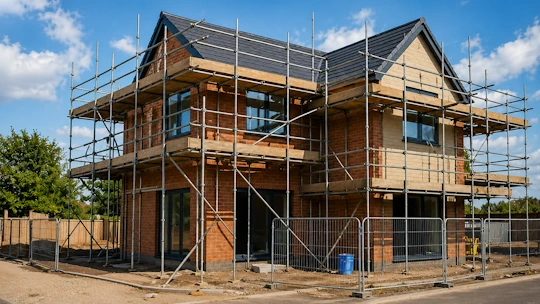
The mindset that helps
Stay calm
Frustration is understandable, but angry messages rarely help resolve defects faster.
Keep it written
Emails create a record. Phone calls and verbal promises are much harder to rely on later.
Use deadlines
Clear dates help prevent issues drifting without progress or accountability.
Escalate early
If progress stalls, escalate earlier than feels comfortable.
Be persistent
You can be polite and firm at the same time.
They may be friendly — but they are still a business
It is easy to feel reassured when someone from the builder or developer is friendly, apologetic or helpful on the phone.
That does not mean they have the same priorities as you. Their business may be focused on cost control, closing defects quickly, limiting liability or moving resources onto other sites.
That does not mean every person involved is acting badly. It simply means you should protect your own position.
- Do not rely on verbal promises
- Confirm conversations in writing
- Keep your own records
- Ask for clear timescales
- Do not assume silence means progress
Do not confuse friendliness with accountability
Someone being pleasant does not mean your issue is logged, accepted, scheduled or properly resolved.
Remember who is visiting your home
The workers sent to repair defects are often not the people who originally built the home. Treat them respectfully. They may be trying to fix problems they did not create.
A better way to communicate
Be clear
Describe the issue, where it is, when it was reported and what outcome you expect.
Set deadlines
Ask for a response or proposed next step by a specific date.
Follow up
After calls or site visits, send a short email confirming what was discussed.
Escalate
If nothing happens, move to the next stage rather than waiting indefinitely.
Use calm, factual language. The goal is to create a paper trail that shows you acted reasonably and gave them fair opportunity to resolve the issue.
Escalate earlier than feels comfortable
Many homeowners wait too long because they want to be patient, reasonable or avoid conflict.
There is nothing wrong with giving people time to fix things. But if deadlines are missed, responses stop, or defects are repeatedly pushed back, escalation may be necessary.
- Escalate if a deadline is missed without explanation
- Escalate if the same defect keeps returning
- Escalate if repairs are poor or incomplete
- Escalate if nobody confirms responsibility
- Escalate before warranty deadlines become urgent
Example escalation email
I reported this issue on [date] and followed up on [date]. I have not yet received a clear repair plan or timescale.
Please confirm by [date] whether the issue is accepted, what action will be taken, and when the work will be completed.
If I do not receive a response by then, I will need to escalate this through the relevant complaints or warranty process.
Deadlines matter
Open-ended requests are easy to ignore. A polite deadline gives everyone a clear expectation.
Polite but persistent
Control the tone
Write as though your email may be read later by NHBC, an ombudsman or adviser.
Stick to facts
Dates, defects, photos and written responses are stronger than emotion.
Follow up
If you do not get a reply, follow up and keep the full email chain together.
Do not drift
Being reasonable should not mean allowing issues to remain unresolved indefinitely.
Reasonable does not mean passive
You can be calm, professional and constructive while still insisting that defects are properly addressed.