Professional Snagging is Essential
A professional snagging inspection is one of the most important steps you can take when buying a new build home.
It helps identify defects early, ensures issues are properly recorded, and gives you the strongest possible position when dealing with your developer.
Don’t rely on the builder to find their own mistakes. An independent inspection puts you in control.
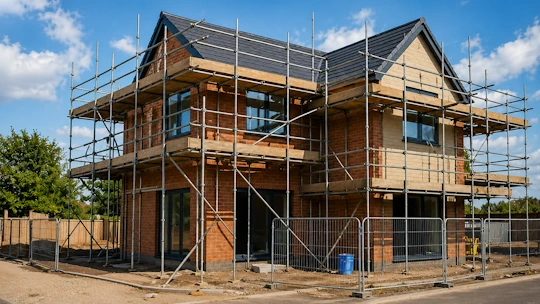
The key benefits
Find issues early
Identify defects before you move in, while the builder is still responsible.
Stronger position
A professional report gives you evidence to get issues fixed properly.
Peace of mind
Know the true condition of your home before you settle in.
Save money
Fixing issues early prevents expensive problems later.
Independent
Snaggers work for you — not the builder.
What does a professional snagger look for?
A professional snagging inspection goes far beyond a quick walkthrough. Experienced inspectors are trained to identify both obvious and hidden defects.
- Poor workmanship and finishing
- Plumbing, heating and electrical issues
- Doors, windows and seals
- Insulation and ventilation problems
- External works and drainage
- Compliance with building standards and warranty requirements
Typical inspection areas
A full inspection covers both internal and external elements of the property, including structural and finishing details.

When should you book inspections?
Before completion
Ideally just before you move in — to catch issues early.
During the first year
Ensure initial defects are being properly addressed.
Mid-warranty
(Year 1–2)
A second inspection is highly recommended. It helps:
- Check earlier defects have been fixed correctly
- Identify new or developing issues
- Catch anything missed the first time
Before warranty ends
Make sure all issues are formally recorded before responsibility changes.
Specialist inspections for glazing and doors
If you suspect issues with windows, glazing or external doors, it may be worth getting a specialist inspection.
Organisations like RISA can assess whether installations meet required standards.
- Poorly fitted windows or doors
- Draughts, leaks or condensation issues
- Incorrect installation or sealing
- Compliance with glazing standards
A general snagger may identify issues — but a specialist report can carry more weight if challenged.

When to consider a specialist
If something doesn’t look or feel right — especially with windows or doors — it’s worth getting an independent expert opinion early.
Choosing the right snagger
Independent
Make sure they are not connected to the builder or developer.
Experienced
Look for experience with new build homes specifically.
Detailed reports
Clear photos, descriptions and evidence are essential.
A small investment for long-term peace of mind
The cost of a professional snagging inspection is small compared to the potential cost and stress of unresolved defects.